A cat settling into a new place: Mika and her cardboard box
What if your cat hides after arriving? Mika’s story looks at the first few hours and ways to make a new room feel more familiar.
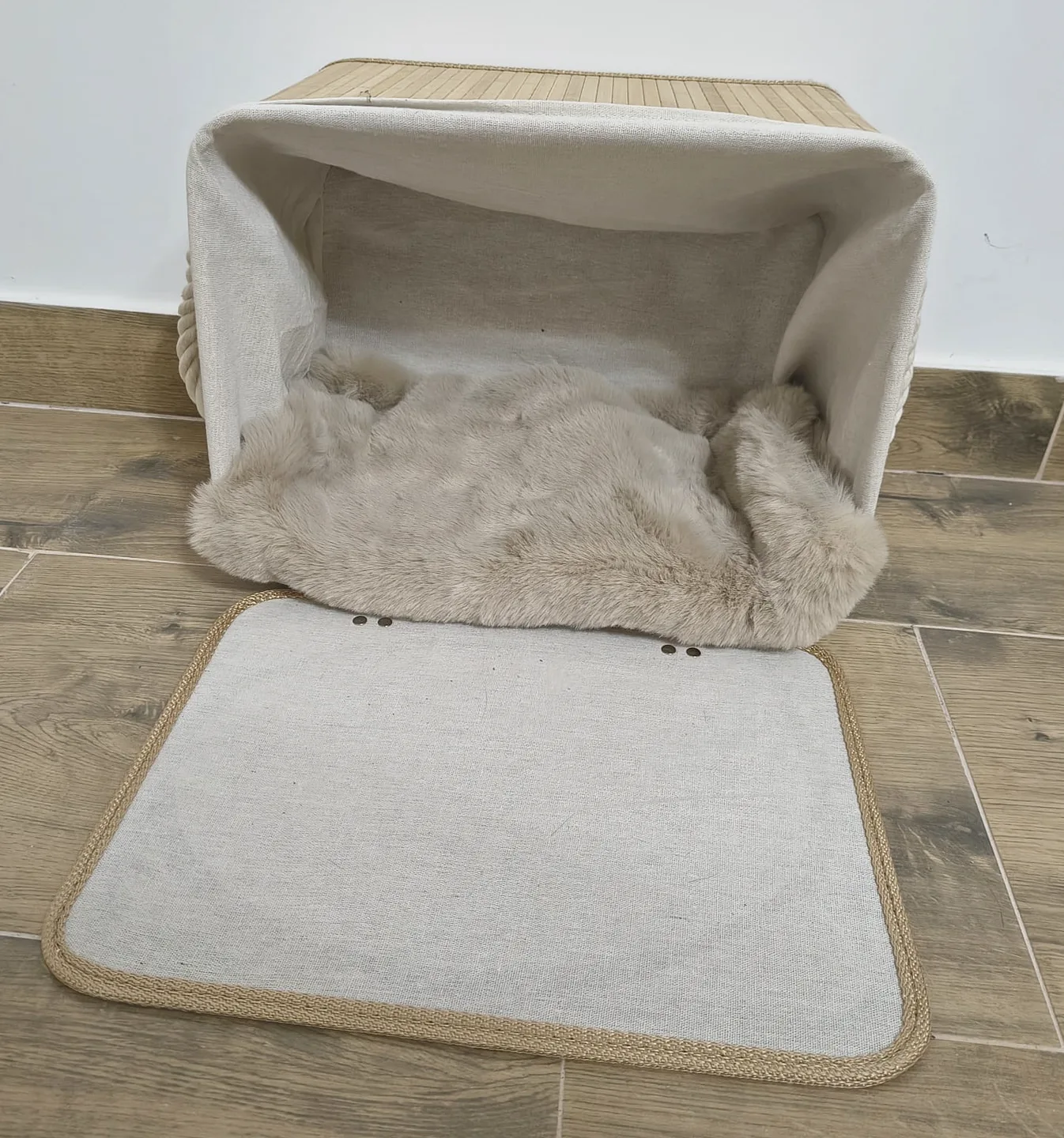
Mika picks a hiding place
When the door buzzer sounds at home, Mika disappears into a cardboard box. Her owner keeps that in mind while packing. In the boarding room, Mika sniffs from inside the carrier, heads to the box and ventures farther into the room later in the evening. Familiar bedding, a quiet space and access to water and a litter tray let her explore at her own pace.
Watch what your cat does when things are quiet
Eating, using the litter tray and choosing new resting spots are more informative than one glimpse of a hiding cat. Inability to urinate or difficulty breathing calls for urgent veterinary attention. Contact your vet if you are concerned about a loss of appetite.
Share what usually helps your cat settle
Before a stay in Toruń, tell us where your cat retreats at home and which objects they use for rest. The room gallery shows the hiding places, shelves and beds you can expect.
Frequently asked questions
Can a cat hide as soon as they arrive?
Yes. Some cats choose a hiding place first. Give them time to come out voluntarily.
Should I lift my cat out of the carrier?
Open the carrier in a quiet, closed room and wait for your cat to come out on their own.
What should I tell the hotel about hiding places?
Tell us whether they favour a box, a low hiding spot or a shelf, and how they respond when people approach.
Can familiar scents help?
They can help the room feel more familiar. Bring a blanket your cat uses at home and leave it unwashed before the trip.
Do all cats settle at the same speed?
Each cat takes their own time. Consider eating, resting and using the litter tray alongside hiding behaviour.
When should I contact a vet about a change?
Inability to urinate or difficulty breathing needs urgent veterinary care. Contact your vet if your cat loses their appetite.